

Lesson 1
Take a leap into another culture and learn Arabic

Learning Another Language May Slow Brain Aging
Writing Arabic feels great, lovely swirly shapes that allow you to express yourself creatively…
Grab a pen or pencil and some paper.
Copy this shape several times, trying to complete it in one fluid motion from right to left…
…until you’re confident you can repeat it without looking at the video.
OK, what you’re writing is actually three Arabic letters joined together.
To be accurate, they’re letter shapes rather than letters. You have to add dots
above or below to turn them into letters.
That’s exactly what makes them different shapes, whether they’re first:
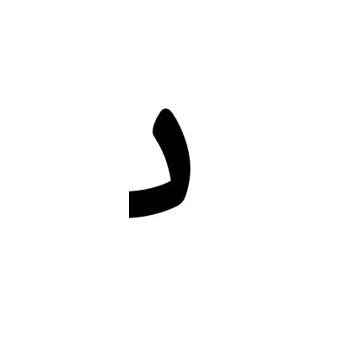
…
…middle, with other letters joined before and after…
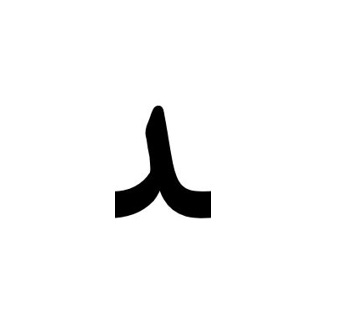
…or the last letter of a connected sequence.
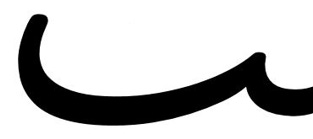
So let’s turn these letter shapes into letters by adding some dots
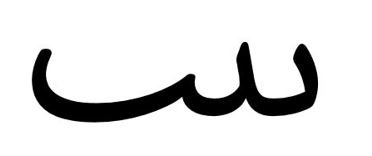
.
A single dot underneath makes the letter B. So our three letter shapes could be three B’s.
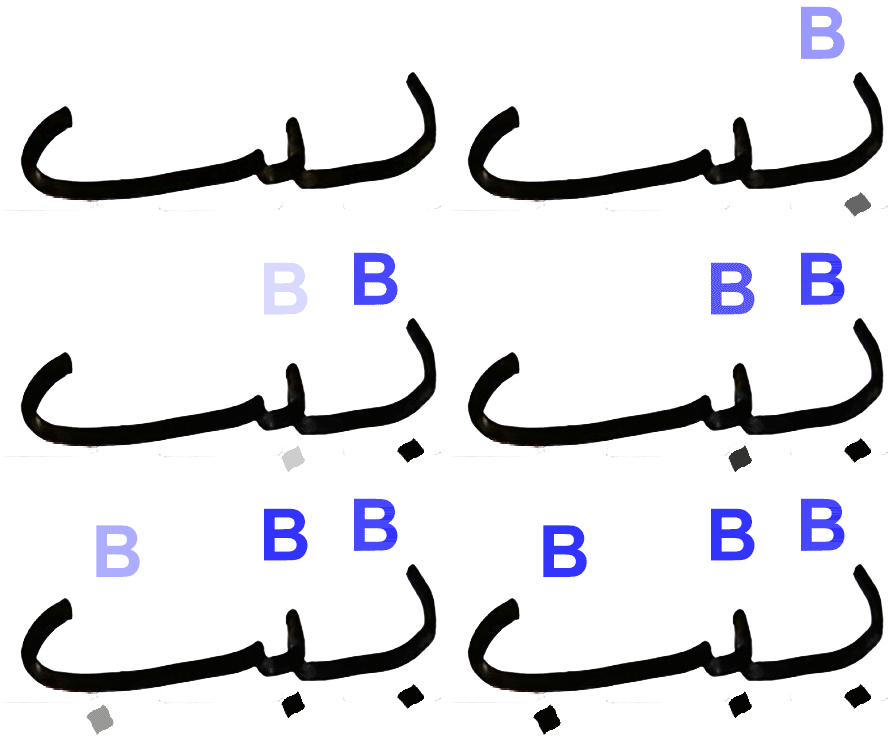
One dot above makes the letter N.
Two dots above makes the letter T
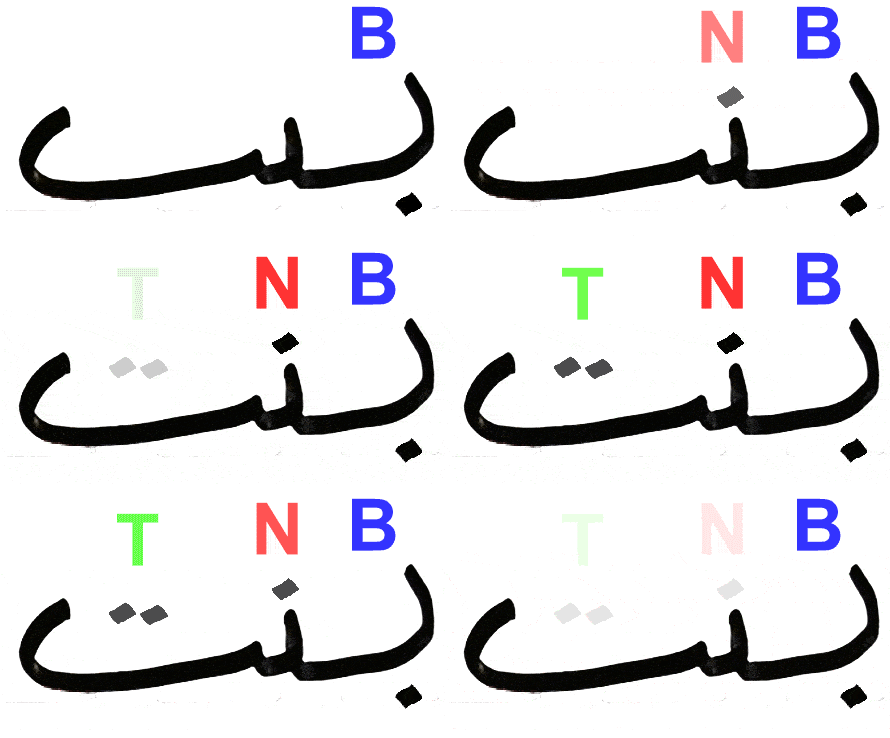
So we have the sequence B-N-T (remember Arabic goes from right to left).
This is almost an Arabic word. But we need a vowel.
There are three short vowels in Arabic, the sounds a, i, and u.
They are not written as letters as in English but rather as signs above
or below consonants to tell you what vowel follows that letter.
A short, slanting line underneath a letter means it is followed by the
vowel i as in the English word hit.
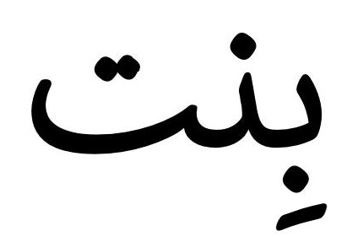
And if a sign like a small zero appears above a letter it means it has no vowel.
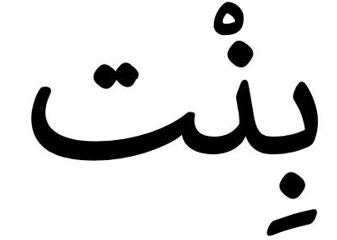
So this word in Arabic can be rendered using English letters as bint.
Bint means girl or daughter.
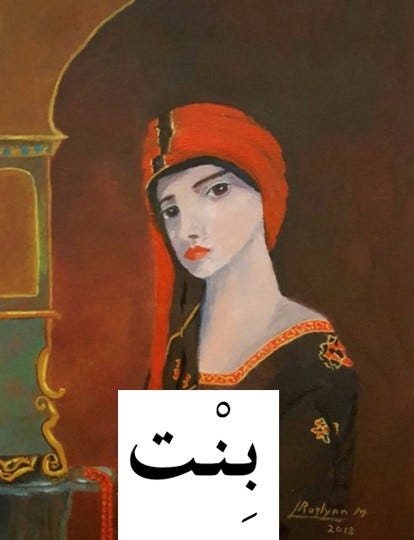
Practice reading, writing, speaking and listening to and understanding your first Arabic word. When you’re confident you can do all four, you’re ready for Lesson 2.